
The landscape of technical consulting is undergoing a seismic shift. No longer confined to manual code reviews and architecture diagrams, the modern consultant is now an orchestrator of intelligent agents. This article explores how Generative AI is reshaping the consulting lifecycle—from initial discovery to system deployment.
The Augmented Discovery Phase
In traditional consulting, discovery often takes weeks of stakeholder interviews and document analysis. Today, LLMs allow us to ingest entire legacy codebases and technical documentation in hours. We aren't just reading code; we're mapping intent.
def analyze_legacy_complexity(source_path):
    # LLM-Powered Semantic Analysis
    discovery_agent = AIAgent(role="Software Archeologist")

    findings = discovery_agent.scan(
        target=source_path,
        focus=["technical_debt", "architectural_patterns"]
    )

    return generate_refactor_roadmap(findings)
Synthesizing Complexity
The true power lies not in the code generation, but in the synthesis of requirements. When a client presents a vague business goal, AI helps us bridge the gap between human language and technical specification with unprecedented precision.
"We are moving from a world where consultants write code to a world where consultants define the constraints and ethics within which AI writes the code.
— Future Tech Quarterly, 2026
The Risks of Hyper-Automation
However, with great speed comes the risk of "automated hallucination." As consultants, our role is pivoting from creation to high-stakes verification. Every line of AI-generated architecture must be treated with a "Zero Trust" mentality.
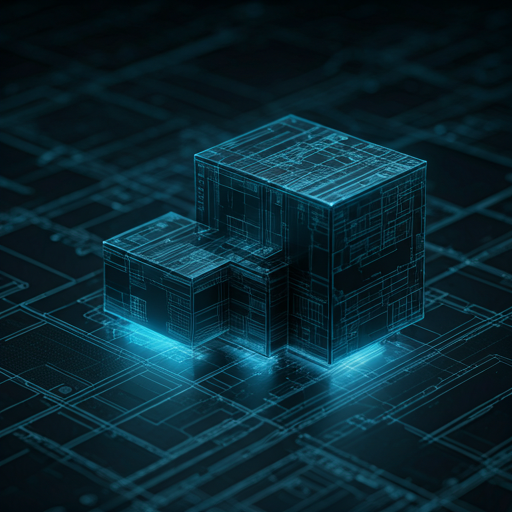
Fig 01. The AI Architecture Synthesis Model
Conclusion: The New Architect
The future consultant is a Digital Architect. They possess the taste to know what a "good" solution looks like and the technical depth to audit the intelligence producing it. The void between business vision and digital reality is closing, and those who speak the language of AI will be the ones who build the next era of computing.